
In the construction industry, quality takes shape through a set of thoughtful decisions, a forward-looking approach, and attention to the living experience. Every building project—from the design stage to years of operation—is an opportunity to create better performance, use resources purposefully, and enhance the quality of presence within a space. Along this path, optimization has become one of the most important approaches in the development of today’s buildings.
Optimization in the construction industry paves the way for alignment between build quality, efficiency, durability, energy management, and user comfort.
Advances in technology, data analysis, smart design, and modern execution methods have made more accurate decision-making possible and enabled the development of buildings with more sustainable performance.
Today’s construction industry offers broad opportunities to improve quality, manage resources more effectively, and advance technology. Modern optimization approaches make the design and execution process more purposeful, creating the foundation for buildings with more precise performance, more efficient energy use, and more enduring quality.
Buildings developed with an optimization mindset deliver an organized, comfortable, and reliable experience throughout years of operation, enhancing the quality of everyday life.
A major part of a project’s final quality is shaped at the design stage. Choices related to lighting, ventilation, space planning, energy consumption, and functional coordination strengthen both the living experience and the building’s long-term performance.
Today, tools such as Building Information Modeling (BIM), data analysis, and project performance simulation have made the design process more precise and decision-making more targeted. These approaches help create stronger alignment between architecture, construction, and operation, improving project quality from the earliest stages of development.
Smart design creates spaces that align with today’s lifestyle—spaces in which comfort, flexibility, and the quality of being there are defined with greater care and precision.
Modern technologies have brought greater accuracy and coordination to project execution. Project management systems, monitoring tools, scheduling analysis, and quality control enable more integrated management of resources and processes.
Using modern construction methods and high-performance materials improves build quality and strengthens durability, energy efficiency, and the building’s long-term performance.
At the same time, data management and precise coordination among specialist teams make project delivery smoother and enhance the quality of the construction process at every stage.
Optimizing energy consumption plays an important role in creating lasting quality in buildings. Natural light, proper ventilation, standard insulation, and smart energy management systems make greater comfort and more efficient use of resources possible.
This approach improves everyday quality of life and paves the way for developing buildings that are more aligned with environmental standards. Choosing efficient equipment, purpose-driven infrastructure design, and attention to long-term building performance create a more balanced and enduring living experience.
In Iran’s official calendar, the first of Khordad is recognized as National Productivity and Consumption Optimization Day—a day that highlights the importance of using resources wisely, making informed decisions, and taking a forward-looking approach to development. This concept also holds a fundamental place in the construction industry, making the paths of design, execution, and operation more purposeful.
When productivity is integrated into the construction and management process of a building, execution quality, facility performance, energy use, and the everyday living experience become more closely aligned. This approach creates the foundation for buildings in which the quality of living is preserved and strengthened over time.
Artificial intelligence is set to become a key driver of building optimization by turning data into actionable decisions across design, construction, and operations. As buildings become more connected through sensors, smart meters, and digital management platforms, AI can analyze patterns in real time and recommend—or automatically apply—adjustments that improve performance and reduce waste.
In building operations, AI supports predictive maintenance by detecting early signs of equipment issues in systems such as HVAC, elevators, pumps, and lighting. Instead of reacting to failures, managers can schedule servicing at the right time, lower downtime, and extend asset life—directly improving quality and resident comfort.
AI also plays an important role in smart energy management. By learning occupancy patterns, weather conditions, and usage trends, AI can optimize heating, cooling, and lighting to reduce energy consumption while keeping comfort stable. Over time, this results in more efficient resource use and more consistent everyday living conditions.
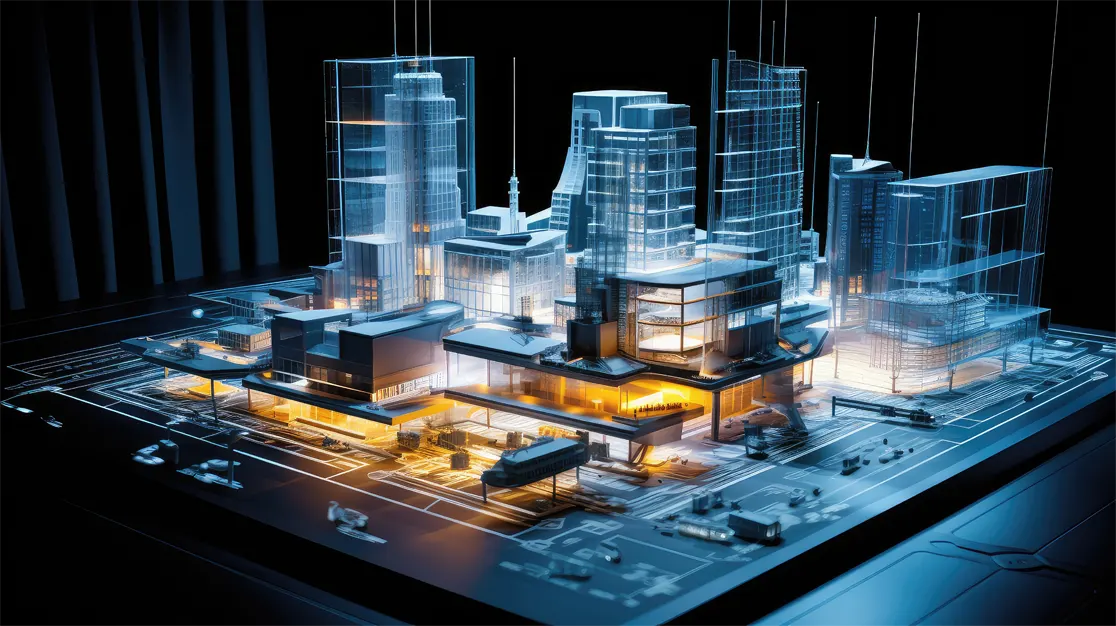
In the broader future of the industry, AI can strengthen decision-making and planning through digital twins, performance simulations, and risk forecasting. This helps stakeholders choose more efficient designs, prioritize investments, and manage buildings based on measurable performance—supporting long-term quality and sustainable productivity.
Modern optimization solutions in the construction industry embed quality throughout every stage of a project—from design and material selection to execution, energy management, and operation.
Today, building productivity means smart resource management, improving the living experience, increasing durability, and creating spaces that meet the needs of both today and tomorrow. With this mindset, the future of the construction industry becomes deeply connected to continuous innovation, precision, responsibility, and lasting quality.
©2025 Nexa group. All Rights Reserved.
©2025 Nexa group. All Rights Reserved.