A home is no longer defined by square meters alone. The quality of life it offers has become one of the most important criteria in choosing it.


There was a time when buying a home began with a few simple questions: How many square meters is it? How many rooms does it have? Which neighborhood is it in, and what does it cost?
These questions still matter, but they are no longer enough to make a decision.
Today’s buyer is not simply looking for a place to live when choosing a home. They are deciding on the shape of their everyday life: how they will start their mornings, how much of their time will go to commuting, whether the home has a suitable space to work, what kind of environment their child will grow up in, and what quality of calm they will experience after a day of work.
A home is no longer defined by square meters alone. The quality of life it offers has become one of the most important criteria in choosing it.
Imagine two 150-square-meter units.
Both are in the same part of the city, and the number of rooms differs little between them. In one, there is good natural light, the plan allows private and public spaces to be separated, the common areas are well designed, and the building management keeps up the residents’ quality of life after handover.
The second unit may have the same floor area, but if its spaces are inefficient, it gets poor daylight, or daily life in the building is accompanied by numerous management problems, the square-meter figure alone cannot make up for the experience of living there.
For this reason, today’s buyer asks themselves this question more than ever before:
What difference will this home make to my quality of life?
This shift in perspective is also tied to a change in how homes are used. In recent years, for many people a home has been more than a place to rest; parts of it have become a space for work, exercise, study, entertainment, or family interaction. Housing market research also shows that a home’s functional features and the flexibility of its spaces have become more important in buyers’ decisions.
One of the most important differences between today’s buyer and buyers of the past is their attention to the future.
A young couple may need a home workspace today. A few years later, the same space could become a child’s room. Another family may need room for caring for aging parents, hybrid work, or personal pursuits.
In such circumstances, a home’s plan is no longer merely a map for dividing up square meters; it must be able to keep pace with changes in life.
This is why flexible spaces, rooms that can serve multiple purposes, and designs that allow for changes in how one lives have become more important. Housing market data in recent years also shows growing buyer attention to workspaces at home and to features that make daily life more practical.
The quality of surrounding routes, access to daily services, green space, schools, workplaces, and urban amenities all play a part in the experience of living somewhere. For this reason, the value of a residential unit cannot be judged by looking only at the space inside it. Sometimes a smaller home in a location that puts much of one’s daily needs within reasonable distance is a better choice than a larger home in a poorly accessible one. Good access is not only a matter of convenience; it affects time, peace of mind, and the quality of daily life. Studies of buyer preferences also show that factors such as accessibility, walkability, school quality, and proximity to open spaces and urban services carry considerable weight in the decision to buy.
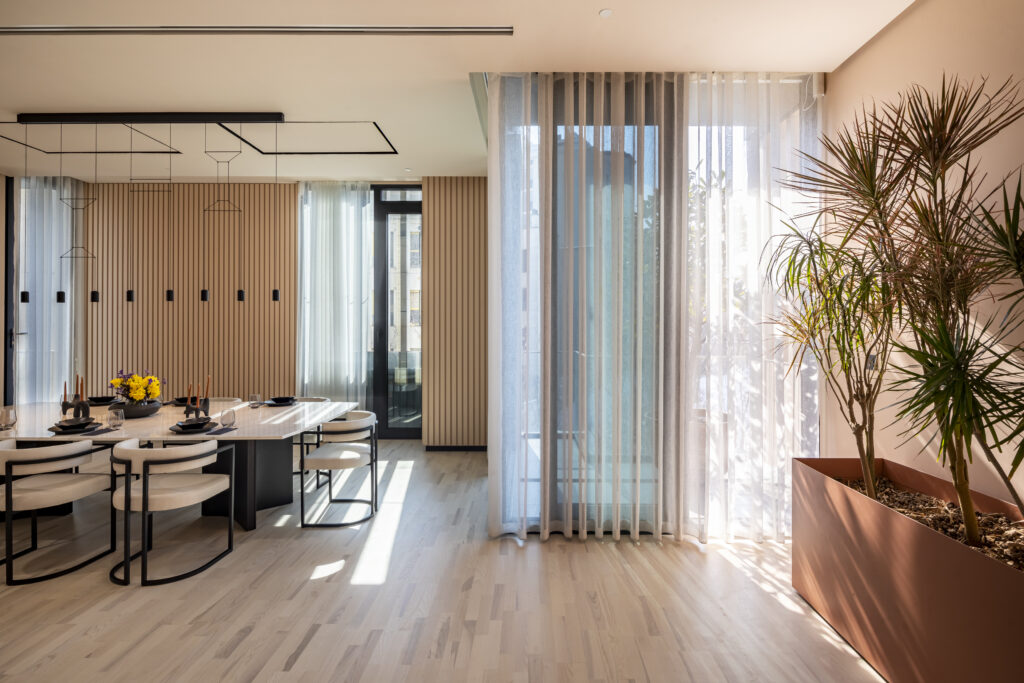
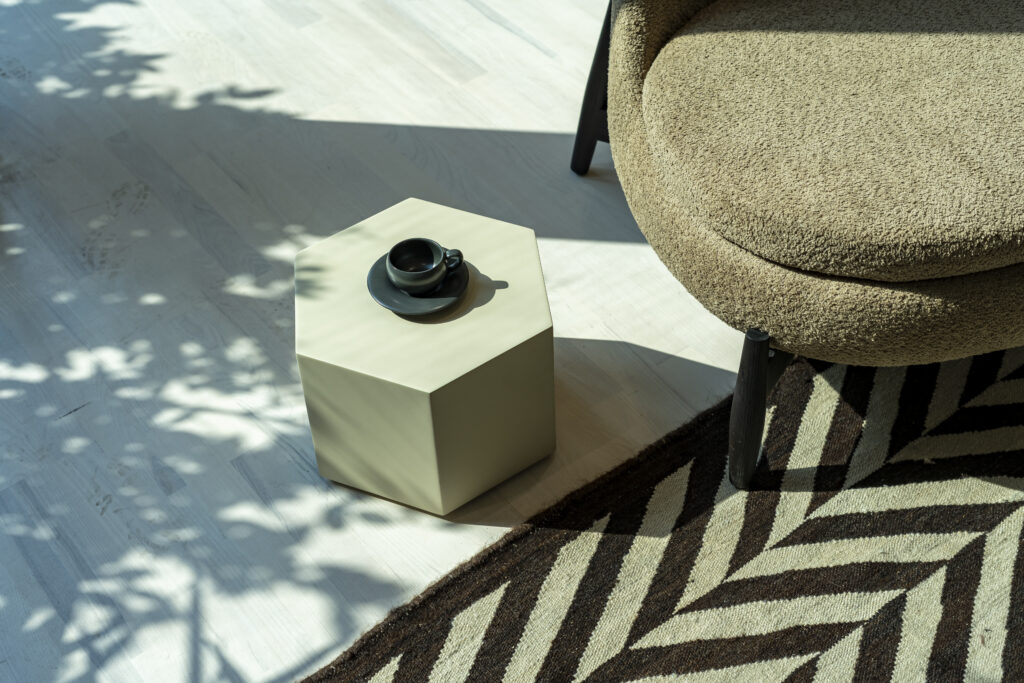
The traditional idea of a home was usually limited to the space inside the unit. But the real experience of living somewhere begins the moment you enter the building.
The lobby, access routes, elevators, shared spaces, security, cleaning, and the way the building is maintained are all part of an experience the resident meets every day.
This is where the difference between “constructing a building” and “creating an environment for living” becomes clear.
A residential project may look appealing on handover day, but its real quality shows over time, in how the building performs. Proper maintenance of building services, care for common areas, security, and professional management are the things that can preserve a building’s quality or gradually erode it.
For an informed buyer, the question is not only:
How does this building look today?
They also ask:
What will life in this building be like in five or ten years?
Health and peace of mind have become part of choosing a home
Quality of life at home is directly linked to a sense of security and calm.
Natural light, ventilation quality, acoustic comfort, access to open space, and a well-designed living environment may not stand out at first glance the way square footage or room count does, but they make their effect felt in daily life.
Attention to air quality and security has also become more prominent in buyers’ new preferences. A survey published in 2026 found that indoor air quality and security systems rank among the top priorities for some prospective buyers, even above certain amenities that were previously seen as markers of a home’s value.
This shift is a reminder of one important point: the definition of a “desirable home” is moving closer to the real needs of everyday life.
Smart homes are no longer just a showpiece feature.
Lighting control, energy management, security systems, and a solid communications infrastructure take on real value when they reduce some of the complexity of daily life.
Market trends show that smart security, smart locks, and reliable connectivity infrastructure are receiving more attention. For many buyers, stable internet and suitable facilities for working and living digitally are no longer a side benefit.
Technology in a residential project should therefore not be reduced to a list of equipment. Its value becomes clear when it gives a specific answer to a real need.
Square footage is still one of the important criteria in buying a home. Room count, location, price, and investment value also have their place.
But the buyer’s outlook has changed.
Today they weigh a set of factors together:
design quality, light and ventilation, flexibility of the plan, the project’s location, surrounding amenities, shared spaces, security, the quality of building maintenance, and even the way of life a project makes possible.
For this reason, a larger unit may not always be the better choice.
A home where life runs more simply, more calmly, and in better step with the resident’s needs can be worth more than a few extra square meters.
The change in what buyers look for sends an important message to builders and developers.
Future competition is not only about adding more square meters or more amenities. The real question is how well a project understands the lives of its residents and how well it answers their actual needs.
A successful project is one that, from land selection and design through construction, handover, and operation, sees the home as part of a larger experience.
An experience that begins with the city and the neighborhood, continues in the design of the building, and does not end after handover.
Perhaps this is the most important change in the housing market today:
buyers no longer ask only how many square meters a home has; they ask, “How will I live here?”
At Nexa, it is this understanding of residents’ real lives that shapes our projects. From land selection to the moment of handover and beyond, we weigh every decision against one question: what quality of life will this home create for the person who lives in it? This approach carries through from the design of the plan to the choice of materials and the way the building is managed after handover, not to add a decorative feature, but to meet the real needs of residents who will live there for years. A home that keeps pace with its resident’s changing needs and secures their daily peace of mind holds a value beyond a few extra square meters. This is what Nexa’s projects aim to build.
©2025 Nexa group. All Rights Reserved.
©2025 Nexa group. All Rights Reserved.