The Importance of Proper Building Maintenance and Operation After Handover

The construction and handover of a building mark the end of one phase in its development and the beginning of a new stage in its life cycle. From this point onward, equipment maintenance, facility management, upkeep of shared spaces, and responsiveness to residents’ needs play an important role in preserving the building’s quality. Even a building designed with care and constructed to appropriate technical standards requires systematic planning and proper operation to maintain its performance over time.

Proper building maintenance and operation help preserve the quality of spaces, extend the service life of equipment, manage operating costs, and improve the overall experience of using a building. These practices are particularly important in residential buildings, where the performance of different building systems—from mechanical and electrical installations to elevators and shared spaces—directly affects residents’ daily comfort.

In this article, we explore the importance of building maintenance after handover, the principles of proper building operation, the role of facility management, and how these practices affect operating costs and quality of life.

What Is the Difference Between Building Maintenance and Building Operation?

Building maintenance and operation are two closely related aspects of building management, each with its own specific responsibilities. Understanding the difference between them helps support better planning to preserve building quality and make effective use of its facilities.

What Is Building Maintenance?

Building maintenance involves a range of measures aimed at keeping building components in good condition, preventing failures, and extending the service life of equipment. These measures include periodic inspections of building systems, elevator servicing, maintenance of heating and cooling systems, safety equipment checks, and repairs to damaged areas.

What Is Building Operation?

Building operation refers to the management of a building throughout its occupancy. It covers the technical, operational, and service activities required for the building’s day-to-day functioning, from managing building systems and shared spaces to coordinating services and addressing building-related requests.

Effective building operation connects the technical requirements of a building with the experience of the people who use it. This helps maintain the conditions necessary for safe, orderly, and comfortable use of the building, alongside its equipment and facilities.

Why Is Building Maintenance Important After Handover?

After handover, building systems and spaces are subject to continuous use. Usage levels, environmental conditions, the quality of routine servicing, and the way the building is managed all affect the performance of its components. Proper maintenance helps ensure these factors are managed effectively.

1. Extending the Service Life of Equipment and Building Systems

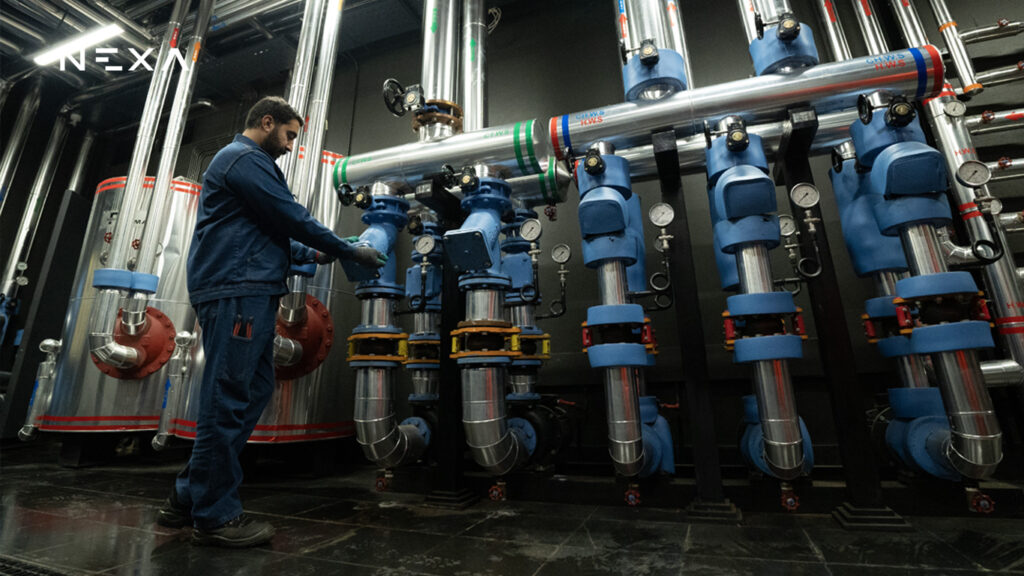
Building mechanical and electrical systems require regular inspections and servicing to maintain proper performance. Heating and cooling systems, pumps, elevators, electrical equipment, and safety systems are more likely to remain in good working condition when maintained consistently.

Timely maintenance helps reduce premature wear and supports the long-term value of the investment made during construction.

tasisat va negahdari az an
Periodic Inspection of Ando’s Building Systems

2. Managing Maintenance and Repair Costs

Building maintenance costs over time depend on how well maintenance activities are planned and managed. Early identification of faults, regular equipment servicing, and proper maintenance records allow for more accurate cost estimates.

Unexpected failures, by contrast, can lead to extensive repairs, temporary equipment downtime, or additional expenses. A well-planned maintenance program helps distribute costs more effectively and supports better management of the building’s financial resources.

3. Ensuring Residents’ Safety and Comfort

The proper functioning of building systems and equipment is a key factor in residents’ safety and comfort. Inspecting fire detection and suppression systems, checking electrical equipment, maintaining elevators, and keeping access routes in good condition are among the measures that help create a safer environment.
Regular attention to cleanliness, lighting, ventilation, and the condition of shared spaces also improves the day-to-day experience of using the building.

4. Preserving Property Value in the Long Term

A building’s maintenance condition over time can influence its appeal to buyers and tenants. Buildings with regularly inspected equipment and well-maintained shared spaces are better positioned to preserve their quality and property value.

Proper maintenance also supports the documentation of a building’s condition. These records are useful when assessing its technical status, planning repairs, and making informed decisions about future maintenance needs.

Preventive Maintenance: A Strategy for Reducing Unexpected Failures

One of the key principles of building management is prioritizing preventive maintenance. Under this approach, maintenance activities are carried out before failures occur, according to a scheduled plan, manufacturer guidelines, and the actual condition of the equipment.

Preventive maintenance helps identify early signs of wear and tear, giving building managers the opportunity to schedule necessary repairs at the right time.

Key Preventive Maintenance Measures

A preventive maintenance plan should be tailored to the type of building, the equipment installed, and how frequently it is used. Common measures include:
  • Periodic Inspection of Building Systems: Checking the condition of mechanical, electrical, heating, and cooling systems.

  • Equipment Servicing: Carrying out recommended maintenance for elevators, pumps, and other specialized equipment.

  • Safety System Checks: Regularly inspecting fire detection and suppression equipment and other related systems.

  • Common Area Maintenance: Checking lighting, doors, access routes, and other shared areas of the building.

  • Maintenance Recordkeeping: Documenting servicing, repairs, identified issues, and completed maintenance activities.

  • Equipment Replacement Planning: Anticipating long-term replacement needs based on equipment condition and expected service life.

Implementing these measures through a structured plan shifts building management from reacting to failures toward anticipating and managing potential issues.

Key Actions After Building Handover

The period following building handover provides an opportunity to establish a structured approach to maintenance and operation. The actions taken at this stage can influence the quality of building management in the years ahead.

Preparing Technical Documentation and a Building Information File

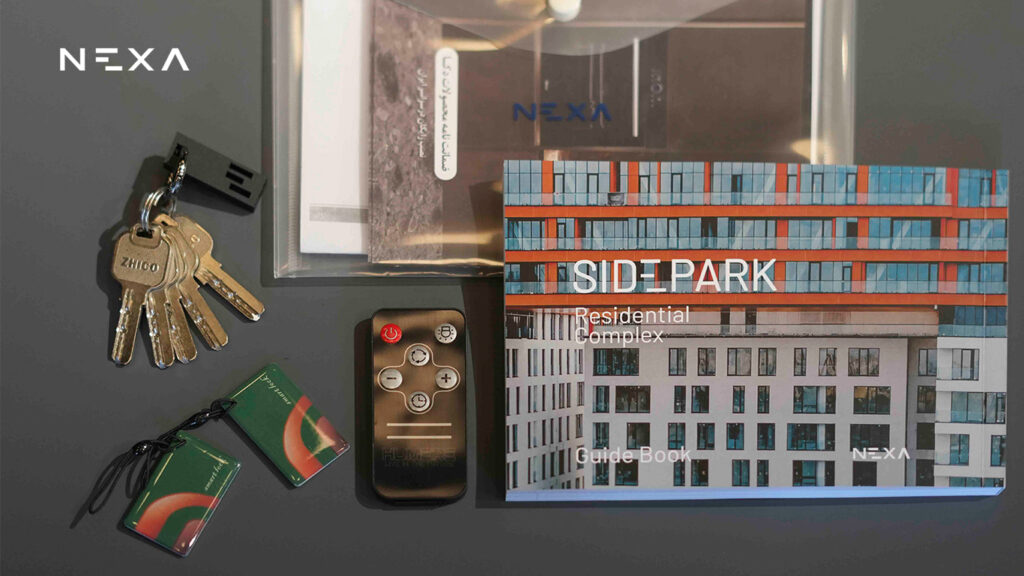
Construction drawings, equipment specifications, user manuals, warranties, and maintenance guidelines are essential resources for effective building management. Collecting and organizing these documents makes technical information easier to access and supports repair and equipment replacement when needed.

تهیه-دفترچه-راهنمای-ساختمان
SidePark Building Unit Handover Manual

Developing a Preventive Maintenance and Servicing Schedule

A maintenance and servicing schedule should be developed for each building component, taking into account its equipment type and technical requirements. Setting service intervals, assigning responsibilities, and recording inspection results help ensure that maintenance activities are monitored and managed systematically.

Defining Responsibilities and Operational Procedures

Building management relies on coordination among staff, contractors, and service providers. Clearly defined responsibilities and procedures for handling requests help activities run more efficiently and minimize disruptions to daily operations.

Establishing a System for Recording and Tracking Requests

In residential buildings, requests related to building systems, shared spaces, and day-to-day services are an integral part of building operation. Recording requests, prioritizing them, and tracking their resolution help improve operational management and increase transparency in service delivery.

The Role of Facilities Management in Building Performance

Building systems are essential components of any property, and their performance directly affects comfort, safety, and operating costs. Electrical, water supply, drainage, ventilation, cooling, and heating systems must be managed in accordance with the building’s technical specifications and actual usage conditions.

Facilities management involves monitoring equipment performance, scheduling routine servicing, addressing faults, and maintaining technical records. Accurate information about equipment condition makes it easier to decide whether repairs, upgrades, or replacements are needed.

Coordination between facilities management and other building operations is equally important. For example, scheduling repairs at appropriate times and informing residents of potential disruptions help minimize the impact of technical work on their daily lives.

How Proper Building Operation Shapes the Residential Experience

A building’s quality is also reflected in residents’ day-to-day experience. Convenient access to shared spaces, reliable equipment performance, timely responses to requests, and well-managed services all contribute to comfort and satisfaction.

The quality of building operation depends on how technical activities and services are coordinated. Even simple measures, such as regularly following up on repairs, providing clear information, and maintaining common areas, can improve the experience of using a building.

Effective management also helps identify residents’ needs more clearly. Recording requests and reviewing recurring issues provides building managers with valuable insights into building performance and maintenance priorities.

Phoenix: An Example of Nexa’s Continued Commitment Beyond Handover

A building enters a new phase once construction is complete, when the quality of its design and execution is complemented by the way it is managed and maintained. At this stage, equipment performance, the condition of shared spaces, and the quality of day-to-day services become important elements of the building experience.

Phoenix, a 59-unit Nexa development, is now in the operational phase, with NEXALIFE responsible for its management. The project illustrates how Nexa’s work continues beyond building handover and into everyday use—a phase in which maintaining different parts of the building and coordinating related activities become increasingly important.

In residential buildings with multiple units, effective operation depends on a range of ongoing activities. Building systems and shared equipment require technical attention, common areas must be kept in good condition, and day-to-day operations call for consistent coordination and follow-up. Managing these activities helps maintain building performance and ensure that related processes run smoothly.

NEXALIFE’s presence at Phoenix during the operational phase is part of this continued process. Building management connects technical requirements with operational activities and everyday needs, supporting the ongoing care and oversight of the property.

The continued operation of projects such as Phoenix also highlights the importance of a long-term perspective on buildings. A project’s quality over time is closely linked to how it is used, maintained, and managed. For this reason, attention to the post-handover phase complements the design and construction process and plays an important role throughout the building’s life cycle.

phoenix building management
Phoenix Building Exterior

How to Assess the Quality of Building Operation

Assessing building operation requires measurable indicators that reflect the building’s condition and the effectiveness of maintenance activities. These indicators can be selected according to the building type and its facilities.

Key performance indicators include:

  • Completion Rate of Scheduled Maintenance: The proportion of maintenance tasks completed on schedule.

  • Number of Recurring Failures: How frequently faults recur in building equipment and different areas.

  • Response Time to Requests: The time between a request being logged, work beginning, and the issue being resolved.

  • Routine Maintenance Costs: Ongoing maintenance expenses and how they change over time.

  • Condition of Equipment and Common Areas: Findings from periodic inspections and compliance with established standards.

  • Resident Satisfaction: Feedback from residents on service quality and the conditions of building use.

Regularly reviewing these indicators helps identify areas for improvement and supports adjustments to maintenance and building operation plans.

Conclusion

Proper building maintenance and operation are essential to managing a building throughout its life cycle. Regular equipment servicing, attention to building systems, upkeep of shared spaces, and planning for ongoing costs help preserve building quality and extend the service life of equipment.

Addressing these needs from the time of handover establishes the foundation for more systematic building management. Phoenix, a 59-unit residential development operated by NEXALIFE, demonstrates how Nexa’s work continues beyond handover, with ongoing maintenance and effective management supporting the building’s quality over time.

Ultimately, a long-term approach to buildings requires design, construction, handover, and operation to be treated as interconnected stages. This continuity helps preserve asset value, make effective use of resources, and create a better living experience for residents.

پرسش‌های متداول

نگهداری ساختمان پس از تحویل شامل چه مواردی می‌شود؟

نگهداری ساختمان شامل بازرسی دوره‌ای، سرویس تجهیزات، رسیدگی به تأسیسات، بررسی سامانه‌های ایمنی، تعمیر بخش‌های آسیب‌دیده و حفظ وضعیت مناسب فضاهای مشترک است.

تفاوت نگهداری پیشگیرانه و تعمیرات پس از خرابی چیست؟

نگهداری پیشگیرانه بر بررسی و سرویس تجهیزات پیش از بروز خرابی تمرکز دارد. تعمیرات پس از خرابی زمانی انجام می‌شوند که تجهیز یا بخشی از ساختمان دچار اختلال شده باشد.

چرا بهره‌برداری صحیح بر هزینه‌های ساختمان تأثیر می‌گذارد؟

برنامه‌ریزی منظم برای نگهداری، شناسایی زودهنگام ایرادها و ثبت سوابق فنی به مدیریت بهتر هزینه‌ها کمک می‌کند و امکان برنامه‌ریزی برای تعمیرات و تعویض تجهیزات را افزایش می‌دهد.

مدیریت بهره‌برداری ساختمان چه نقشی در رضایت ساکنان دارد؟

مدیریت بهره‌برداری از طریق هماهنگی خدمات، پیگیری درخواست‌ها، نگهداری فضاهای مشترک و رسیدگی به عملکرد تجهیزات، بر آسایش و کیفیت استفاده روزمره از ساختمان تأثیر می‌گذارد.

ساختمان فونیکس چه ارتباطی با موضوع بهره‌برداری ساختمان دارد؟

فونیکس ساختمانی ۵۹ واحدی از نکساست که در مرحله بهره‌برداری قرار دارد و مدیریت آن را نکسالایف بر عهده دارد. این پروژه نمونه‌ای از ادامه مسیر ساختمان پس از تحویل و اهمیت مدیریت و نگهداری در دوره استفاده از آن است.